Getting to Know the Basic Rules
The world of kimono has its own set of rules and aesthetic sensibilities that don't really exist in Western clothing. Because of that, many people find themselves wondering, "Can I just match whatever colors I like?" or "Does this obi actually go with this kimono?"
This time, we've put together the basic rules of kimono coordination that even beginners should know. Rather than diving into complex expert knowledge, we've focused on simple ideas you can put to use right away.

Decide Who Gets to Be the Star
The first thing to think about in any kimono outfit is which piece will be the "star."
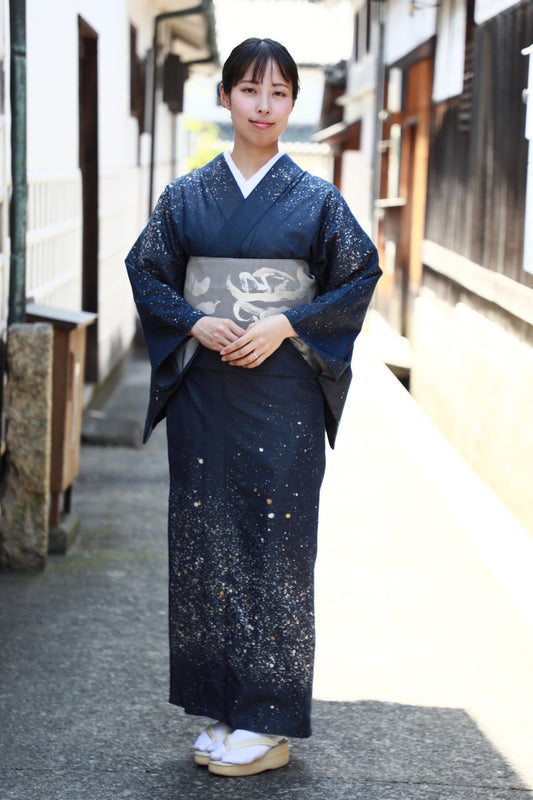
Kimono as the star: If you choose a kimono with a bold pattern or vivid color, keep the obi plain or in a calm color.
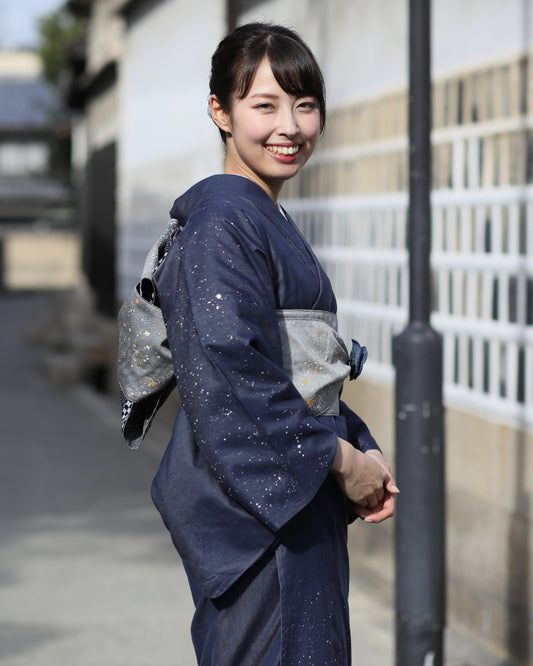
Obi as the star: Pair a simple solid-color or subtly patterned kimono with a striking, eye-catching obi.
Just following this one rule keeps the whole outfit balanced and prevents a mismatched look.
Aim for "Three Colors or Fewer"
Between the kimono, the obi, and the accessories, it's easy for the number of colors to add up. As a beginner, though, keeping things to three colors or fewer will help you avoid most mistakes:
The kimono's color (base color)
The obi's color (accent color)
The accessories' color — obijime (the cord tied over the obi) and obiage (the sash tucked above the obi) (supporting color)
Keeping these three colors in mind will give your outfit a clean, unified look.
Keep the Season in Mind

Seasonal awareness matters a great deal in kimono culture. Cherry blossoms and pale pink, for instance, are favored in spring, while deep reds and autumn-leaf tones are popular in fall.
As a beginner, simply expressing the season through color is more than enough:
Spring → bright pastel tones
Summer → cool, refreshing colors and white
Autumn → deep, warm tones
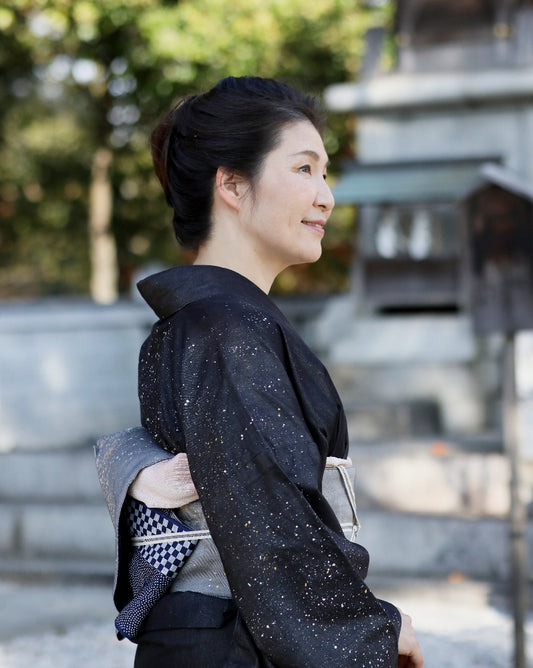
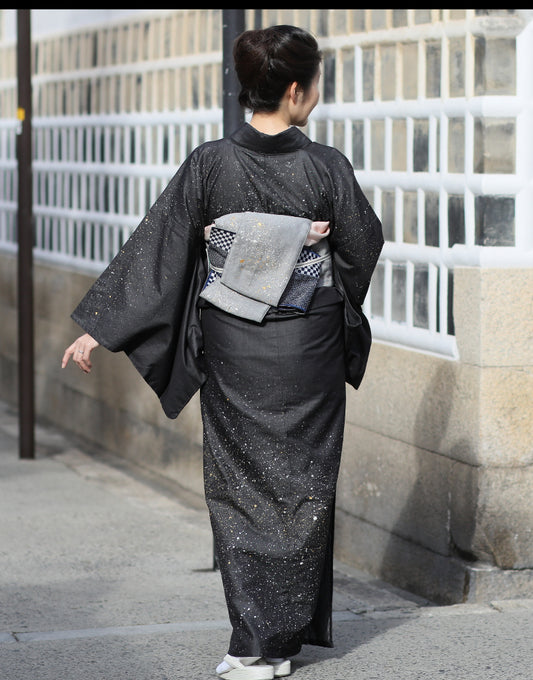
Winter → sophisticated dark colors, gold, and silver
Just paying attention to the season is often enough to earn compliments from those around you.
Match the Formality (Mind the TPO)
Kimono come with different levels of formality, and matching that formality — sometimes called TPO (time, place, occasion) — is essential.
Pair a more formal kimono with a more formal obi.
Pair a casual kimono with a casual obi.
Examples:
Hōmongi (a semi-formal kimono with a continuous pattern across the seams) or tsukesage (a similar, slightly less formal style) → paired with a fukuro obi (a formal, double-woven obi)
Iro-muji (a solid-color kimono) or komon (a casual kimono with a small repeating pattern) → paired with a Nagoya obi (a simpler, everyday obi)
Cotton kimono or yukata (a casual summer kimono) → paired with a hanhaba obi (a narrower, casual obi)
Matching your outfit to the occasion this way helps you avoid feeling out of place.
Let Accessories Bring It All Together

Accessories like the obijime and obiage act as the finishing touch on any kimono outfit. Even after choosing a kimono and obi you like, the combination can sometimes feel a bit plain or a bit too strong — that's where accessories make all the difference.
If the overall look feels too pale → tighten it up with a deep-colored obijime.
If the contrast feels too strong → soften it with a neutral-toned obiage.
If you want to bring in seasonal flair → use accessories in seasonal colors (light blue in summer, mustard in autumn, etc.)
Beginners often think it's best to keep accessories understated, but they're actually the key to a great outfit. Adding a bit of playfulness here can make your whole look feel noticeably more polished.
How Kimono and Obi Patterns Relate

When combining two patterns, the basic approach is "large pattern × small pattern" or "plain × patterned." If both the kimono and the obi have large, bold patterns, they'll compete with each other and the outfit will look cluttered.
Examples:
A komon with large floral motifs → paired with an obi that reads as nearly plain
A simple solid-color kimono → paired with a striking obi that becomes the star
Thinking in terms of subtraction — keeping one element simple while the other stands out — is the key to a clean, beautiful silhouette.
Color Choices for Different Ages
The colors that suit you can shift with age.
Younger generations → bright colors and playful patterns tend to stand out beautifully.
Older generations → calmer colors and more sophisticated palettes tend to look elegant.
That said, there's no need to strictly limit yourself based on age. If a color feels too bold, you can always tone it down with the obi or accessories to bring the whole outfit into balance naturally.
In Summary: Start by Following the Simple Rules
Kimono coordination runs deep, and the most experienced wearers enjoy it with real freedom. As a beginner, though, sticking to these simple rules will help you avoid most mistakes:
Decide which piece will be the star
Keep the color count to three or fewer
Keep the season in mind
Match the formality (mind the TPO)
Let accessories bring the outfit together
Balance the patterns
Choose colors that suit your age

Keep these points in mind, and you'll be able to enjoy kimono with confidence in any setting. As you get more comfortable, gradually experiment with your own color and pattern combinations, and enjoy the creative freedom that kimono has to offer.

So, where can you actually find a kimono or obi to buy? Shopping for kimono and obi can feel like it takes a bit of courage.
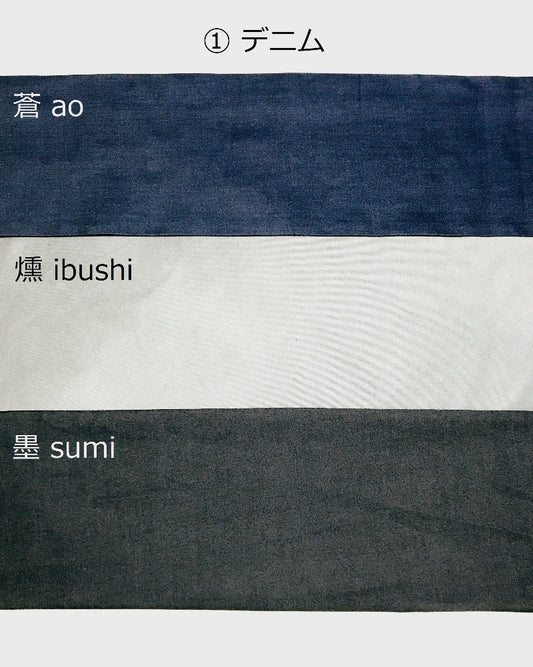
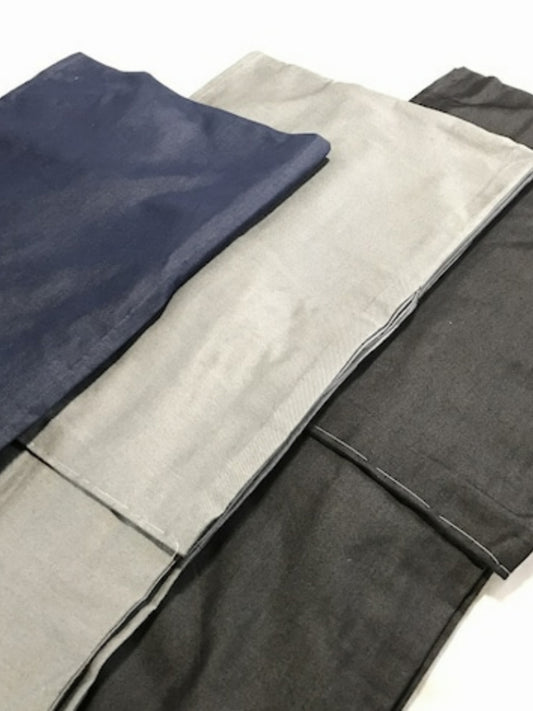
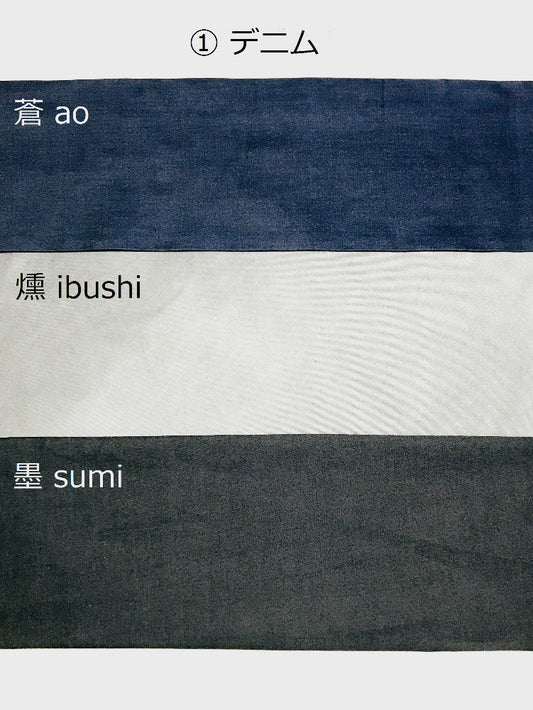
Here, we'd like to introduce a kimono option that offers a wonderfully flexible way to get started. First, a plain, solid-color kimono is tailored to your exact measurements. After that, you're free to add patterns — wherever and whenever you like. Of course, you can also leave it plain if you prefer.
Either way, you can gradually build the kimono into something that truly reflects your own taste and needs, at your own pace. We invite you to take a look and see what inspires you.