Recommended Coordination by Occasion (Tea Ceremony, Theater, Travel, and More)
Kimono is a traditional garment where dressing appropriately for the TPO (time, place, and occasion) really matters. Unlike a casual outing, specific occasions like a tea ceremony, a theater visit, or a trip call for coordination that suits the mood of the setting.
For intermediate wearers, here's how to think through coordination for a few common occasions.
Tea Ceremony Coordination — Understated and Refined
The key idea
At a tea ceremony, the tea itself is the star, and the kimono plays a supporting role. Good manners call for restrained colors and patterns rather than anything too showy.
Kimono to choose
Solid-colored iro-muji, or Edo komon (a refined kimono with a fine, almost solid-looking repeating pattern) — dignified yet understated
Soft base colors like light green, wisteria purple, or pale gray for a clean, refined look
Choosing the obi
A dignified obi such as a Nagoya obi (a simpler, everyday obi) or fukuro obi (a formal, double-woven obi)
Keep gold and silver thread understated, and choose an elegant pattern
Accessories
Keep the obijime (the cord tied over the obi) and obiage (the sash tucked above the obi) in calm, coordinated colors
A white han-eri (the collar worn under the kimono collar) keeps the look clean and fresh
Coordination example: A pale wisteria-purple iro-muji × a white-based Nagoya obi with a subtle gold-thread pattern, with a gray obijime → a refined, understated impression that never feels overstated.

Theater Coordination — Embrace a Bit of Glamour
The key idea
For theater outings — kabuki, noh, musicals, and the like — a slightly more glamorous kimono suits the occasion well. That said, the stage is the real star, so avoid anything so extravagant that it draws too much attention.
Kimono to choose
Mainly stylish everyday pieces like komon (a casual kimono with a small repeating pattern), tsukesage (a semi-formal kimono, slightly less formal than a hōmongi), or tsumugi (a rustic, textured silk)
Feel free to bring in seasonal patterns or brighter colors
Choosing the obi
A patterned obi adds a festive touch
A fukuro obi with gold or silver thread looks especially striking for an evening performance
Accessories
Add an accent color through the obiage or obijime — it will stand out nicely even from your seat
White works fine for the han-eri, but an embroidered one adds a nice touch of glamour
Coordination example: A pale pink komon × a fukuro obi with an abstract pattern in silver thread, with a deep purple obijime → an elegant look that enjoys the mood of the occasion without competing with it.

Travel Coordination — Comfortable and Easy to Move In
The key idea
Since travel often involves a lot of walking and eating, comfort and stain-resistance matter more than glamour. Prioritize practicality over showiness.
Kimono to choose
Machine-washable fabrics like tsumugi, cotton, or polyester
Calm colors and fabrics that won't easily show wrinkles or stains
Patterned tsumugi or check patterns are also a good option
Choosing the obi
A lightweight hanhaba obi (a narrower, casual obi) or a casual Nagoya obi for ease of movement
Choose one that's easy to tie and comfortable over a long day
Accessories
Keep the obijime simple to prioritize ease of movement
Choose cushioned zōri (traditional kimono sandals) that are comfortable to walk in
Coordination example: An indigo tsumugi kimono × a striped hanhaba obi, with a beige obijime → casual yet composed, and comfortable enough for travel.

Summary Table by Occasion
Occasion Kimono Obi Accessories
Tea ceremony Solid-color / Edo komon Understated Nagoya obi White han-eri, calm obijime
Theater Komon / tsukesage Patterned fukuro obi Glamorous obiage, embroidered han-eri
Travel Tsumugi / cotton / synthetic Hanhaba obi or
lightweight Nagoya obi Simple obijime, comfortable zōri
In Summary: Dress Beautifully for the Occasion
At a tea ceremony: clean and understated
At the theater: glamorous yet refined
While traveling: comfortable and practical
Even the same kimono can suit completely different occasions just by changing the obi and accessories. As you become more experienced, incorporating this kind of TPO awareness into your coordination will help kimono feel like a natural, everyday part of your life.
Kimono is a form of self-expression, but it's also a way of showing respect for the occasion. Choosing coordination that fits the moment is part of what makes wearing kimono feel truly graceful and mature.
One more important thing to consider: you've planned your outfit perfectly for the occasion, and then the day arrives — and it's raining. In that moment, it's easy to think, "Maybe I should just give up on the kimono and wear Western clothes instead."

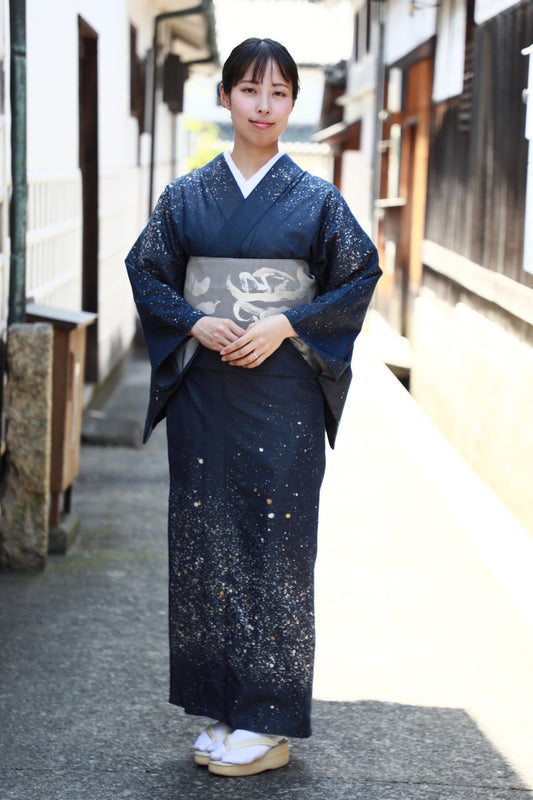
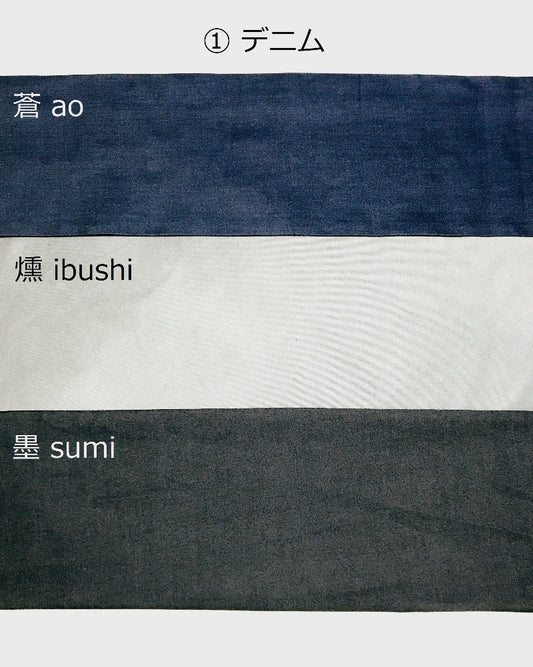
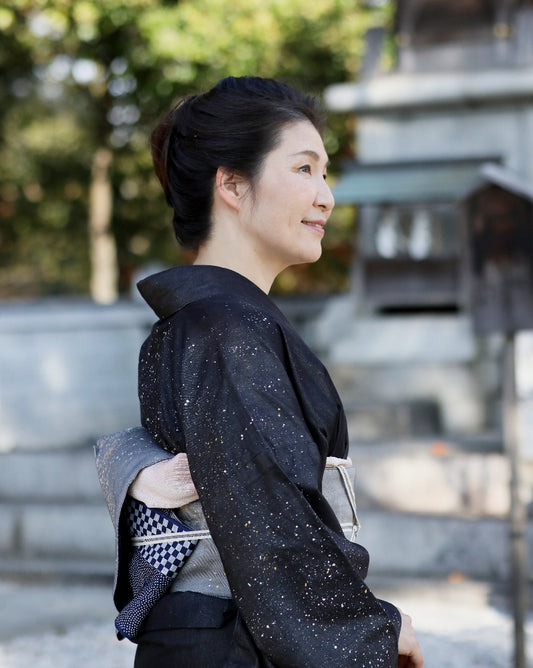
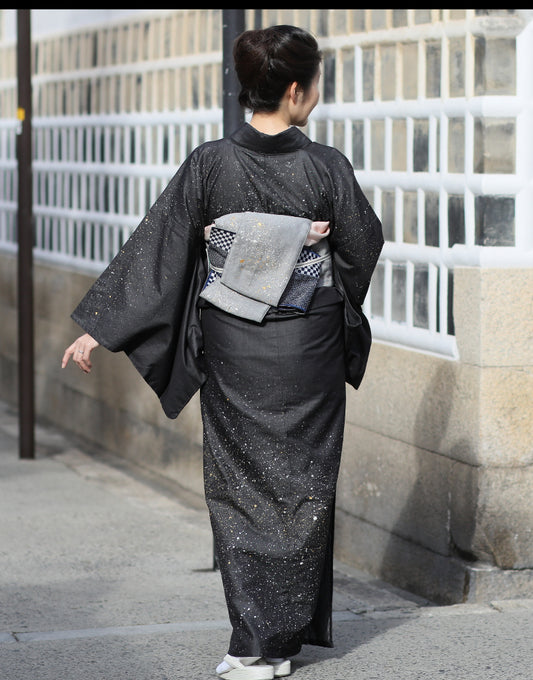
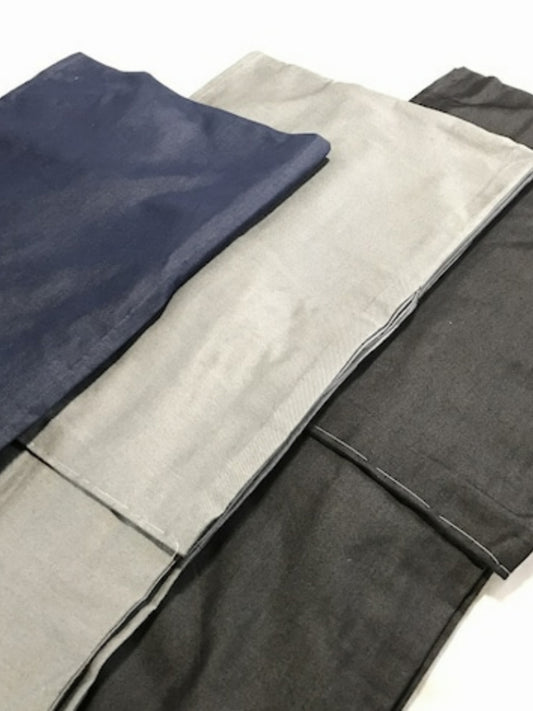
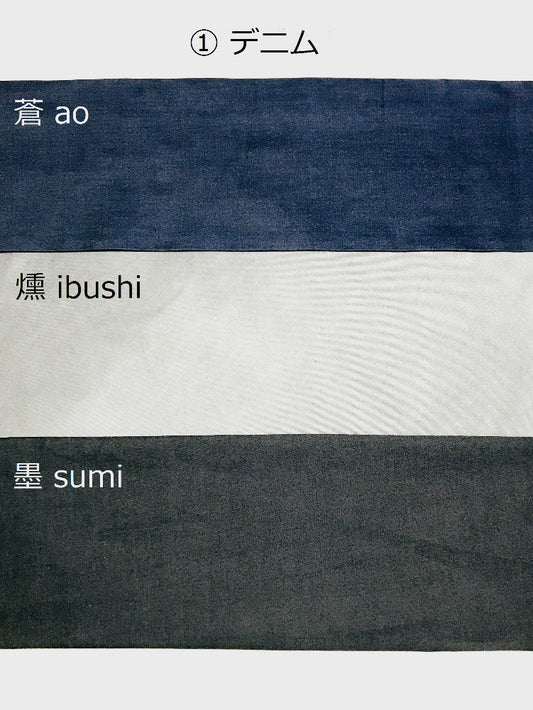
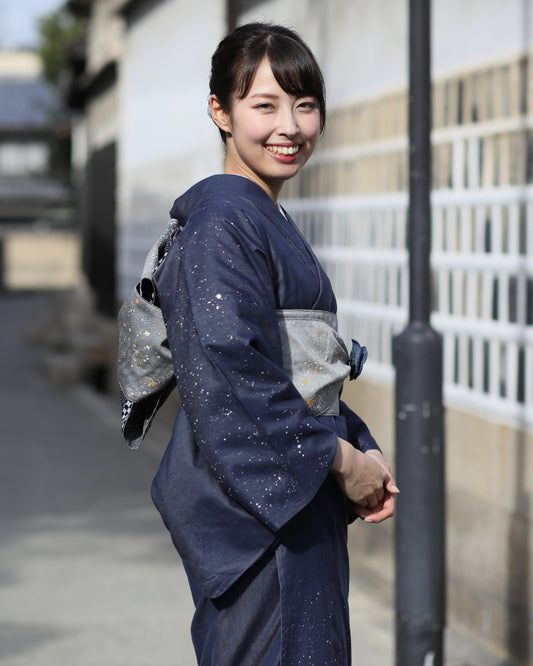
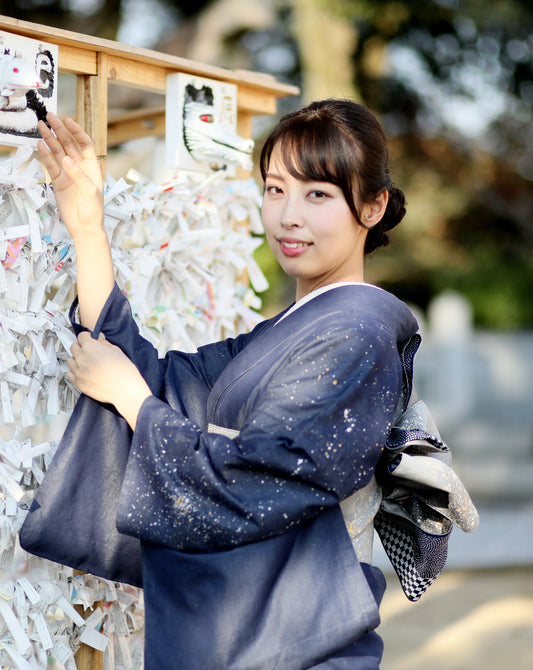
Kojima Obi carries kimono made from water-resistant fabrics, available in styles ranging from komon to solid-color iro-muji to hōmongi (a semi-formal kimono with a continuous pattern across the seams).
It might be worth having one custom-made for exactly those unpredictable moments.
We hope you'll take a look.
At Kojima Obi, we offer kimonos made from water-resistant materials.