Polyester Kimono
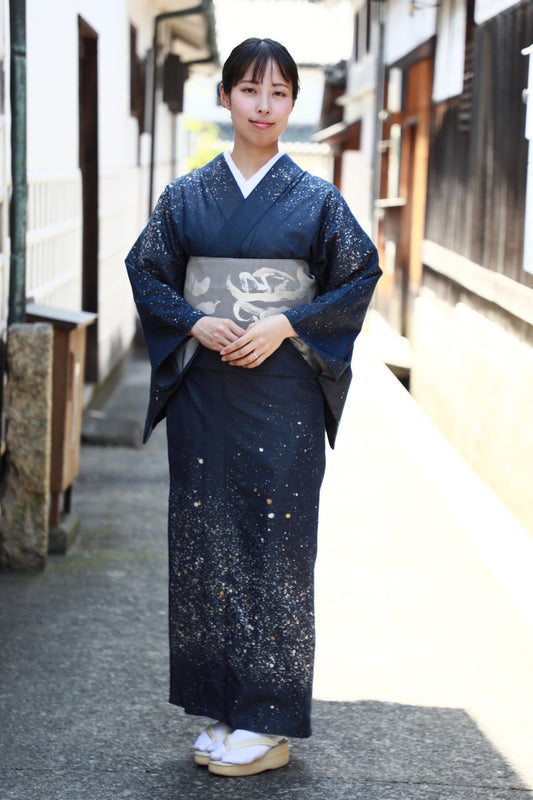
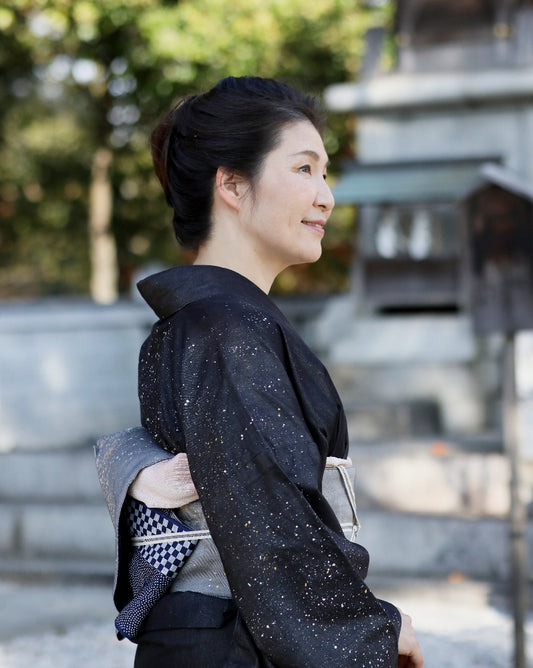
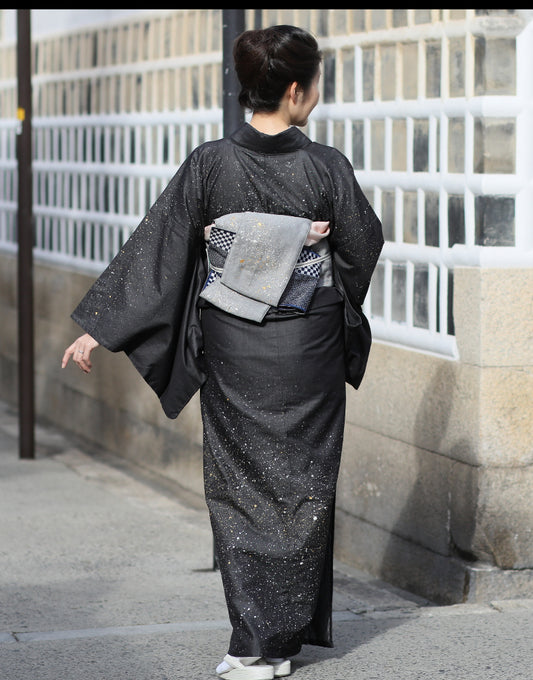
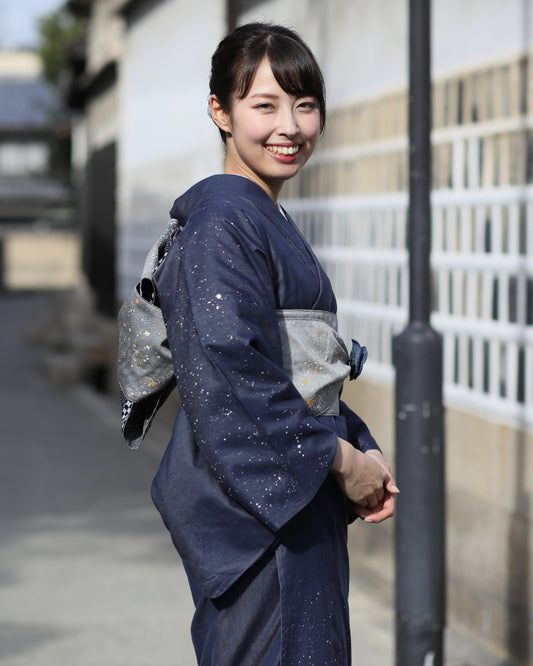
In recent years, kimono made from synthetic fiber — mainly polyester — have become widely popular, meeting the growing demand for an easier, more casual way to enjoy kimono. They're lightweight, sturdy, resistant to water and sweat, machine-washable at home, and resistant to wrinkling — all of which adds up to real convenience.
Because they can be worn without much worry in the rain or while traveling, they've become especially popular as a starting point for beginners or as everyday wear.
That said, polyester has its own weaknesses too — it's prone to static electricity and sensitive to heat — and mishandling it during care can affect its texture or shape.
Here, we'll cover care after wearing, washing, drying and ironing, storage, and everyday precautions for keeping a polyester kimono comfortable and long-lasting.
Care After Wearing
Polyester doesn't absorb much moisture, so it doesn't hold onto sweat or humidity the way natural fibers do.
Because of that, it's easy to assume it's fine to just leave as-is — but a bit of care after wearing still helps keep it clean.
Let it air out
Hang it on a kimono-specific hanger after wearing. You don't need to be as careful as with silk or cotton, but odors like smoke or food tend to cling to the fibers, so airing it out in the shade for one to two hours helps clear any lingering smell.
Brush away dust
Because polyester picks up static easily, it also attracts dust more than you might expect.
A light brush with a soft brush helps keep it looking its best for longer.
Check for wrinkles
Polyester doesn't wrinkle easily, but creases can sometimes set in around the obi area or cuffs. If this bothers you, a low-temperature iron (covered below) can help.
How To Wash It
The biggest advantage of polyester is how easily it can be washed at home.
Machine washable
Polyester kimono are generally machine-washable.
Place it in a mesh bag, choose a gentle cycle or a "delicates" setting, and wash it separately from other laundry.
Accessories like the obi and naga-juban (a full-length underlayer worn beneath the kimono) can be washed together if they're also made of polyester.
Choosing detergent
A neutral detergent is best.
Avoid detergents containing bleach or optical brighteners, since these can cause fading or discoloration.
Avoid hot water
Polyester is sensitive to high heat, so wash it in cold or lukewarm water no warmer than about 30°C (86°F).
Washing in hot water can cause the fabric to develop a shine or shrink.
Treating Stains
For oil stains or makeup residue, diluting a bit of neutral detergent and dabbing the spot before the full wash helps lift the stain more easily.
Drying and Ironing
How you handle it after washing affects the final finish.
Dry in the shade
Use a short spin cycle, then hang it right away on a kimono-specific hanger.
Polyester dries quickly — half a day is usually enough.
Direct sunlight can make the fabric stiffer, so drying in the shade is the standard approach.
Ironing
In most cases, wrinkles won't remain after washing.
If they do, iron at a low temperature (around 110–120°C / 230–250°F) with a pressing cloth.
Be careful not to use too much steam, since this can cause the fabric to develop a shine or shrink.
Lightly steaming it while it's still on the hanger is also an effective, gentler option.
Storage
Polyester kimono also have the advantage of being resistant to insects and mold.
That said, careless storage can still lead to lingering odors or a distorted shape.
Wrap it in tatōshi paper
Store it wrapped in kimono-specific tatōshi paper.
Even though polyester holds up well against humidity, the paper still helps prevent the shape from distorting and keeps dust away.
Where to store it
A kiri (paulownia wood) chest isn't necessary — a closet or storage case works just fine.
Using a dehumidifying agent alongside it helps keep the air circulating well.
Notes on long-term storage
Insect damage is rarely a concern, but folds can become permanently set if the kimono sits untouched for a long time.
Taking it out and hanging it up each season helps keep it looking its best.
Everyday Precautions
Polyester kimono are sturdy and easy to handle, but a few habits help them last even longer:
・Managing static: friction with the obi or naga-juban can cause static in winter, so an anti-static spray can help.
・Watch out for heat: heat from an iron or a heater can distort the fibers, so keep it a safe distance away.
・On rainy days: water resistance is one of its strengths, but mud splashes can still stain, so wash it promptly if this happens.
・When traveling: simply folding it and placing it in a garment bag is enough for transport.
The Appeal of Polyester Kimono and Why Care Matters
The biggest appeal of a polyester kimono is how easy it is to live with.
Machine-washable, resistant to wrinkles, worry-free in the rain — this convenience fits naturally into a modern lifestyle.
At the same time, its sensitivity to heat and static calls for a little extra attention and a few small habits.
Even so, caring for it is far simpler than silk or hemp, making it an ideal entry point for bringing kimono into everyday life.
In Summary
Polyester kimono are sturdy, easy to wash, and well suited to a modern lifestyle.
・Air it out after wearing to clear away any odor or dust.
・Wash it in a mesh bag on a gentle cycle, in water no warmer than 30°C (86°F).
・Dry it in the shade, and iron at a low temperature with a pressing cloth if needed.
・Store it wrapped in tatōshi paper along with a dehumidifying agent — that's really all it takes.
Following these steps keeps it clean and beautiful, ready to wear whenever you like.
Polyester kimono are what help move kimono from something reserved for special occasions into something you can wear as part of everyday life.