Silk Kimono
Silk is considered one of the most luxurious fabrics in traditional Japanese textiles, prized for its sheen, its hand-feel, and how gently it sits against the skin.
At the same time, it's an extremely delicate material, so handling and care require real attention.

Keeping a silk kimono beautiful for years to come comes down to three pillars:
Care after wearing
Proper storage
A thoughtful approach to cleaning
Let's walk through each of these in detail.
Care After Wearing
Silk absorbs moisture well, but leaving humidity, sweat, or skin oils on the fabric can lead to discoloration or staining over time.
Always follow these steps after wearing your kimono.
Let it air out
Once you take off the kimono, hang it on a kimono-specific hanger to let air pass through it.
Alternatively, drape it over a chair with a backrest, lining side facing out.
Hang it somewhere shaded, out of direct sunlight, for about one to two hours.
Be careful not to leave it hanging for too long, though — this can cause the shape to distort or the fabric to fade from light exposure.
Check for sweat and stains
The collar, cuffs, and hem are especially prone to getting dirty.
Check for sweat stains or foundation makeup residue.
Small stains left untreated can eventually cause yellowing, so it's best to bring anything you notice to a specialist promptly.
Brushing
LGently brush away dust with a soft, kimono-specific brush.
Rubbing too hard can damage the fabric, so a light touch is essential.
Storage
Silk kimono are vulnerable to humidity and insect damage, so the storage environment matters a great deal.
Folding and Wrapping
Kimono are traditionally folded using the hon-datami method and wrapped in tatōshi — a specialized paper wrapping.
Because tatōshi is made of washi (Japanese paper), it breathes well and helps protect the kimono from humidity.
It also helps keep dust away, though the paper itself can start to discolor once it's absorbed enough moisture.
Ideally, replace it with fresh paper at least once a year.
Where to store it
A kiri (paulownia wood) chest is considered ideal, since paulownia naturally regulates humidity — protecting silk from its greatest enemy, moisture.
If you're storing kimono in a regular Western-style dresser instead, use a dehumidifying agent alongside it.
Airing out (mushiboshi)
Mushiboshi — periodically airing out the kimono — is essential for humidity control.
Once or twice a year, on a dry, sunny day, air the kimono out of direct sunlight in a well-ventilated spot for about half a day.
This helps prevent moisture buildup, mold, and insect damage.
Cleaning and Stain Removal
Silk isn't suited to washing at home — it's highly sensitive to water and prone to shrinking or losing color.
As a rule, cleaning should be left to a specialized shikkai-ya (a traditional kimono-cleaning specialist) or a kimono-specific dry cleaner.
Full cleaning (marearai)
This is roughly equivalent to dry cleaning for Western clothing.
It removes overall dirt and oils, leaving the kimono looking refreshed.
That said, doing this too often puts stress on the fabric, so once every few years is a good general guideline.
Spot Stain Removal
Addressing localized dirt or stains early is key — silk discolors easily, and stains become harder to remove the longer they sit.
Avoid rubbing hard at home or using store-bought stain removers; leave this to a specialist instead.
Everyday Precautions
Beyond care and storage, a few habits while wearing your kimono can help it last even longer:
While eating and drinking: drape a napkin or furoshiki (a Japanese wrapping cloth) over your lap to prevent spills.
In the rain: wear a rain coat over your kimono, and if it does get wet, air it out in the shade right away.
Perfume and hair products: apply these before getting dressed, since direct contact with the kimono can cause staining or discoloration.
Obi and accessories: the obiage and obijime pick up sweat and skin oils too, so give them occasional care as well.
Long-term Storage and Periodic Checks
Even if you're not wearing a kimono for a long stretch of time, it's important to unfold and inspect it periodically.
Catching mold or yellowing early keeps the damage to a minimum.
Don't let it sit untouched in the back of the chest — take it out from time to time for airing and inspection.
In Summary
A silk kimono is a special garment that combines beauty with real elegance.
At the same time, it's delicate — vulnerable to humidity, dirt, and insect damage.
・Always air it out and check for stains after wearing.
・Store it in a paulownia chest with tatōshi paper, with humidity control in mind.
・Leave cleaning and stain removal to specialists rather than doing it yourself.
・Regular airing out and inspection help it last for years.
Keeping these basics in mind makes it possible to pass a treasured silk kimono down to the next generation.
Caring for it does take some effort, but that effort is itself part of the joy of living alongside a kimono — and part of what keeps kimono culture alive.

That said, we know plenty of people appreciate the beauty of silk but simply can't spare that much time and effort for care.
For that, we'd like to introduce a kimono that combines the best of silk with everyday ease of care: one made from a hybrid silk-and-cotton fabric.
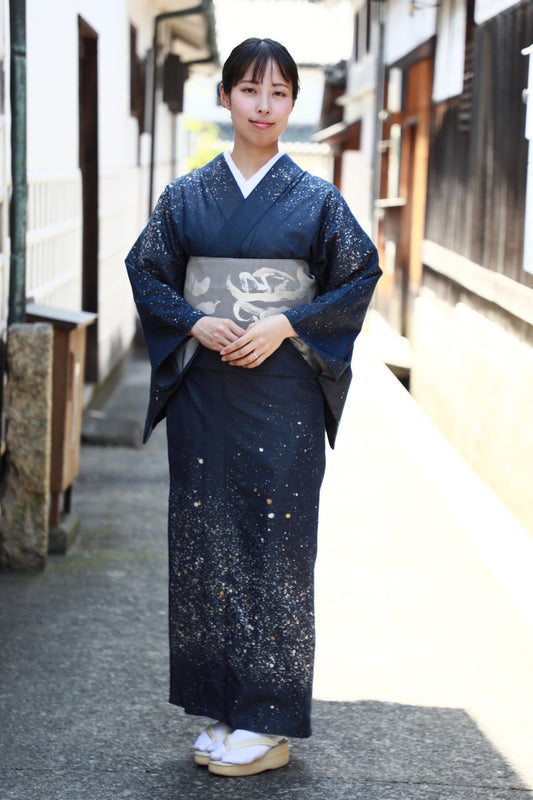
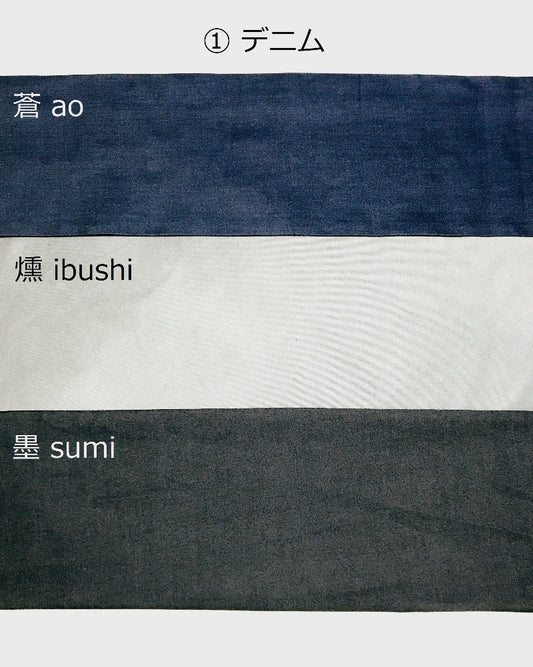
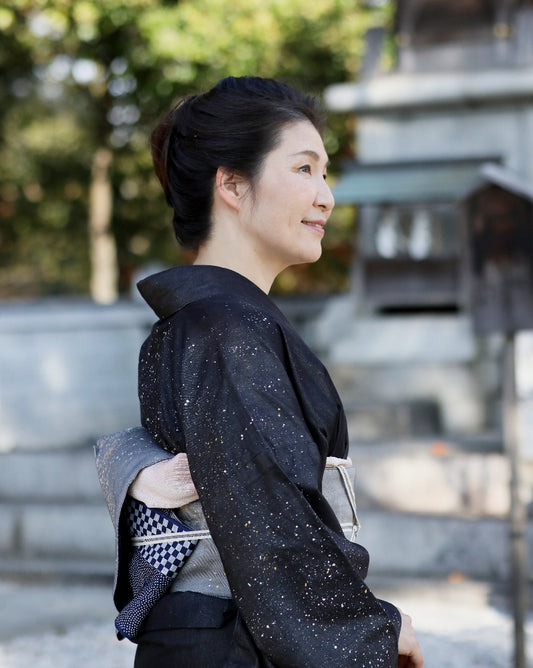
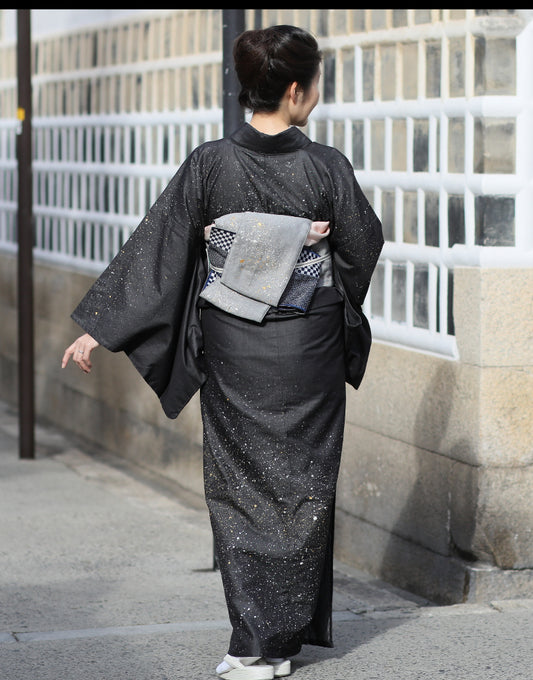
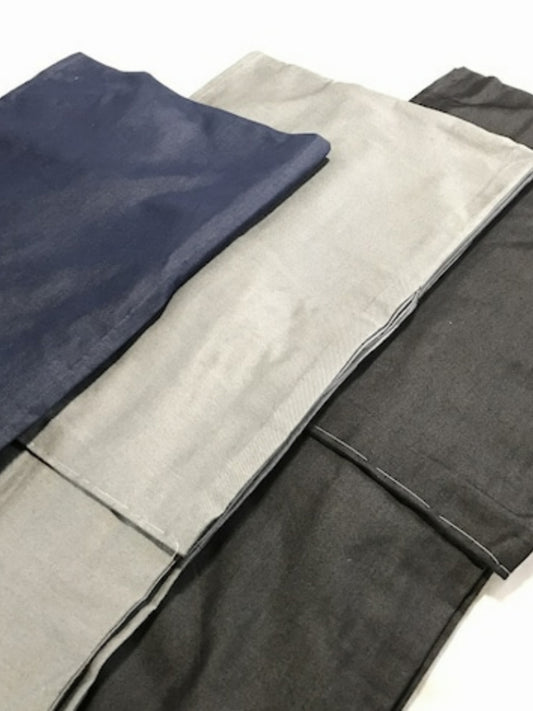
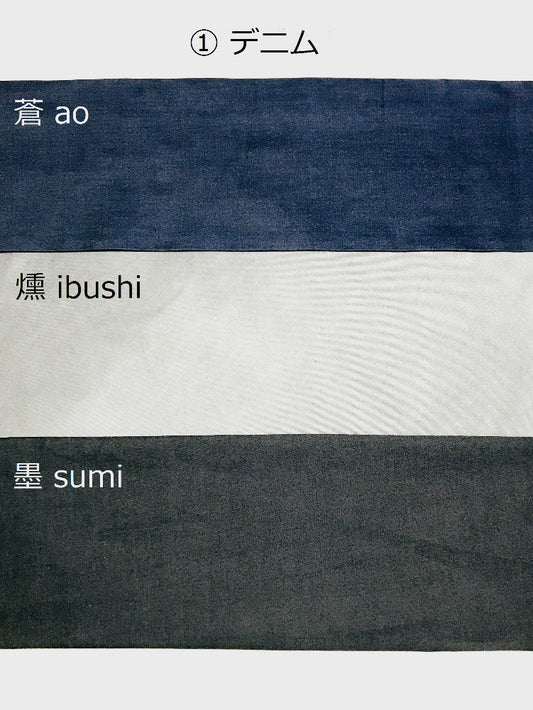
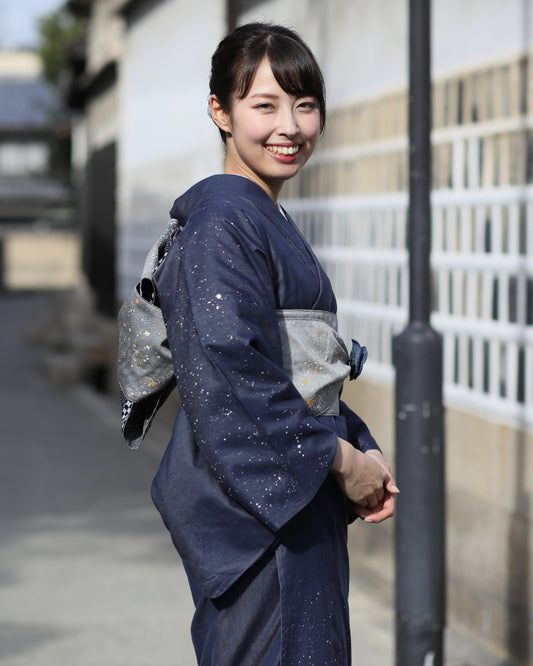
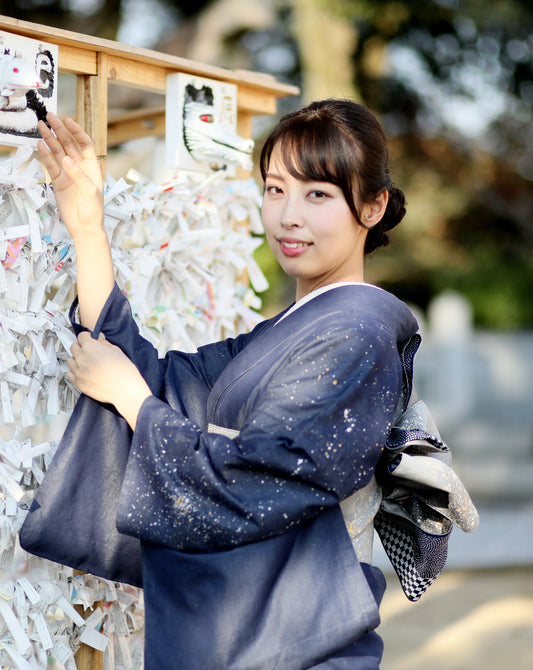
Here, we introduce a premium-grade denim kimono, woven with a warp thread twisted from three fine cotton strands and a weft thread of silk.
Take a look and see what this fabric is all about.