Where the Name Comes From
If you know a bit of Japanese history, hearing the word Sanadahimo probably brings one name to mind: Sanada Yukimura.
There are several theories about where the name actually comes from — here, we'll share one of them, along with the history and development of Sanadahimo itself.

Sanada Yukimura and Sanadahimo
One theory holds that Sanadahimo takes its name from Sanada Yukimura (also known as Sanada Nobushige), a celebrated general of the Sengoku (Warring States) period.
Yukimura is remembered for his brilliant tactics and remarkable courage — his fierce fighting in the Winter and Summer Sieges of Osaka is still talked about today.
But at the time of those battles, Sanadahimo as we know it didn't actually exist yet.

The Edo Period and Sanadahimo
The Edo period began as the Sengoku era came to a close.
Sanada Yukimura, having been defeated at the decisive Battle of Sekigahara, was confined along with his father, Masayuki, to Kudoyama in what is now Wakayama Prefecture.
Father and son were forbidden from leaving Kudoyama, but their retainers traveled the country in their place, gathering information.
It's said that the item these retainers used as cover for their travels, selling it door to door, was what would become known as Sanadahimo — though it wasn't called by that name at the time.

To people back then, it was simply a narrow, flat-woven, sturdy cord.
Eventually, the Winter and Summer Sieges of Osaka arrived, and Yukimura, after fighting valiantly, met his end during the Summer Siege.
According to this theory, the image of Yukimura's heroic final stand became intertwined, somewhere along the way, with the sturdy cord his men had once sold — giving rise to the phrase "the strong cord made by the Sanada," which eventually became "Sanadahimo."

Kojima and Sanadahimo
Sanadahimo is believed to have reached Kojima during the Edo period.
It isn't entirely clear whether it was the Sanada retainers themselves who brought it there through their travels, but historical records offer a clue: the Konpira Sankei Meisho Zue (an illustrated guide to sites along the Konpira pilgrimage route) describes how, once the popular twin pilgrimage to Kotohira Shrine in Kagawa and Yugagongen in Kojima, Okayama, took off during the Edo period, the pilgrimage road was bustling with travelers seeking out Sanadahimo as a souvenir.

Cotton cultivation also flourished in Kojima during the Edo period.
Sanadahimo was woven from cotton grown locally, and the techniques behind it kept advancing over time — laying the groundwork for what is known today as Kojima, the town of textiles.

The Future of Sanadahimo
Today, Sanadahimo has found its way widely into everyday life.
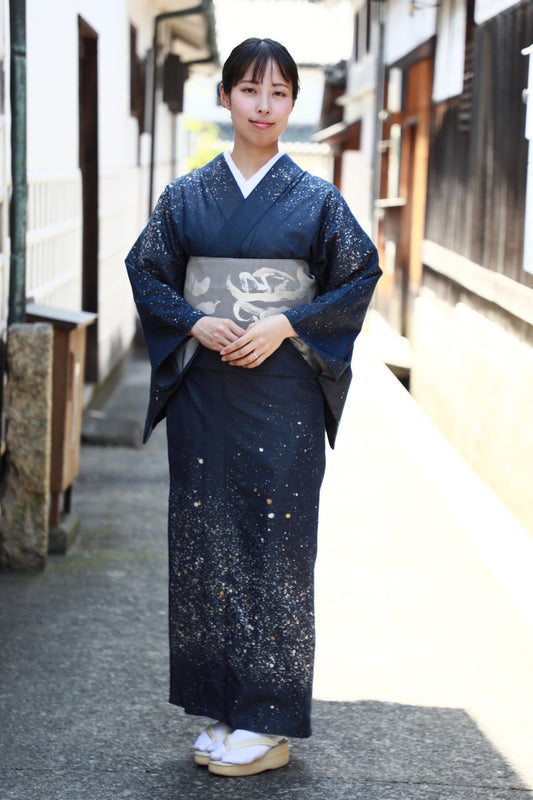
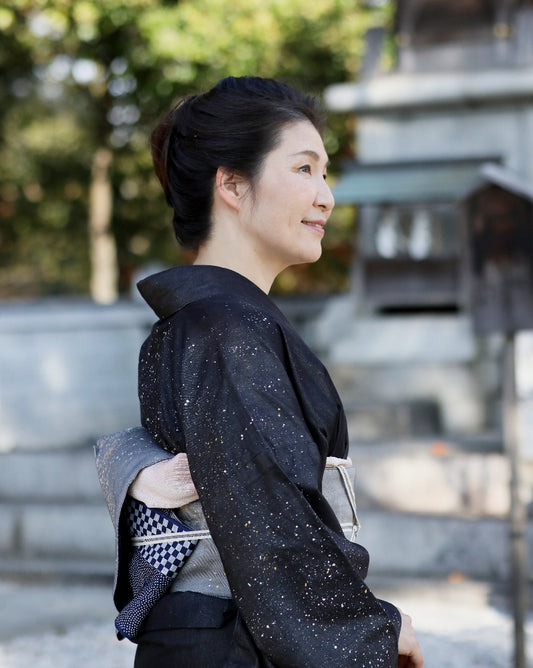
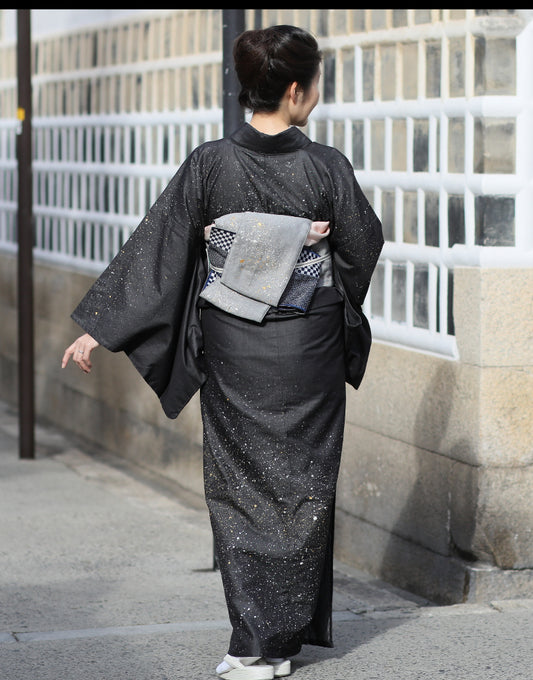
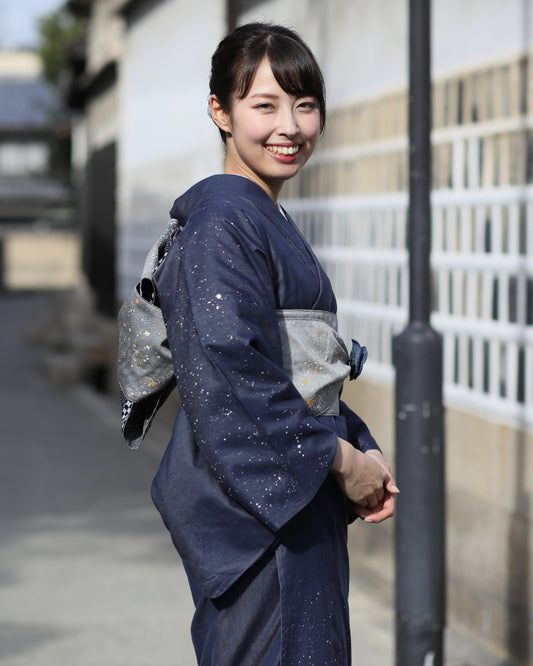
It's used in bracelets, bags, and interior items, and it's also well regarded as a design element and accent on kimono obi.
Its beauty and practicality are recognized not just within Japan but internationally as well.


Sanadahimo from Kojima carries a history of roughly 400 years, and it's held in high regard as a traditional Japanese craft for both its durability and its beauty.
Learning about the history and appeal of Sanadahimo can deepen your understanding of Japanese traditional culture and help you rediscover its beauty in a new light.

Going forward, Sanadahimo will surely continue to protect its history and tradition while bringing new color into modern life.
There will be an event featuring items made with Sanada Himo.
We would like to invite you.
Date: Wednesday, July 17, 2024 - Tuesday, February 23, 2024
10:00 - 19:30
Location: Tenmaya Okayama Store, 5th floor
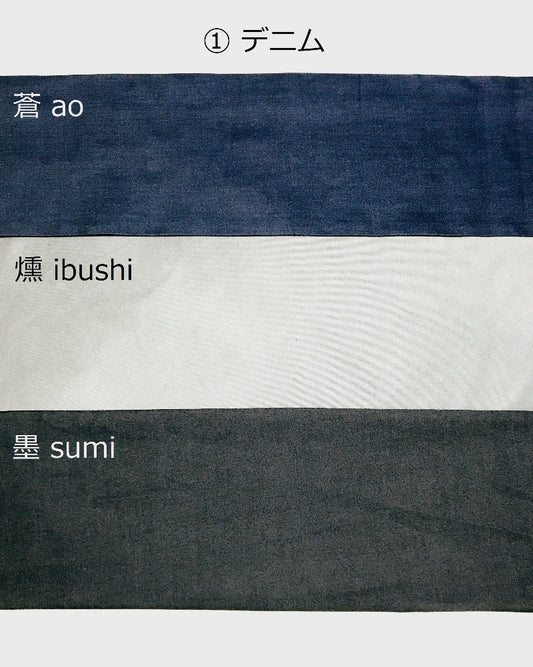
You will see a variety of "Okayama Fashion Styles" made with local textiles such as Sanada Himo, denim, and tatami-beri.
Please feel free to come.