What is Tatami-beri ?
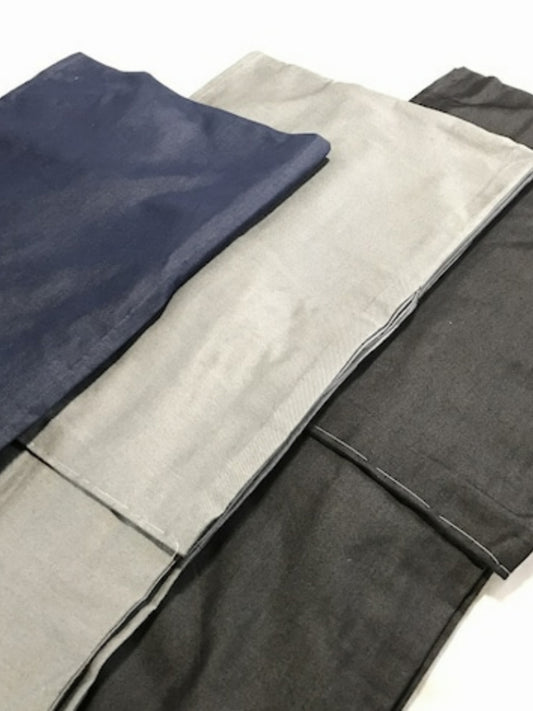
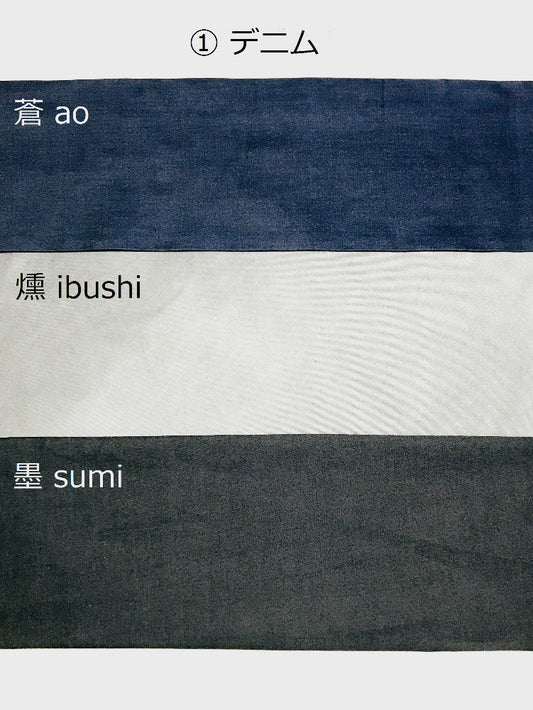
Tatamiberi refers to the decorative fabric border that runs along the long edges of a tatami mat.
Tatami itself is an essential element of traditional Japanese-style homes, and the tatamiberi that trims its edges has long carried its own importance.
In earlier eras, it served as a meaningful marker of a household's status and the standing of its owner.

The Origin of Tatami
Tatami was first introduced into the homes of nobility and the upper classes during the Heian period.
At the time, tatami wasn't used to cover an entire floor the way it is today — it was a portable mat, used as a place to sleep or sit.
Tatamiberi came into use alongside it from the very beginning.
In particularly prestigious households, tatamiberi trimmed with silk or other costly fabric was used.
Tatami didn't just highlight the presence of an important person within the home — it also served as a symbol of wealth and status.

The Spread of Tatami and Tatamiberi
By the Edo period, tatami had spread into the homes of ordinary people as well.
The colors and patterns available for tatamiberi grew far more varied, and it gradually became something even common households could afford.

From the Meiji era onward, however, Japanese homes increasingly adopted Western-style architecture.
As demand for traditional Japanese-style rooms declined, tatami — and tatamiberi along with it — saw far less use in everyday construction.

Even so, the tradition of tatami and tatamiberi has been carried forward to this day.
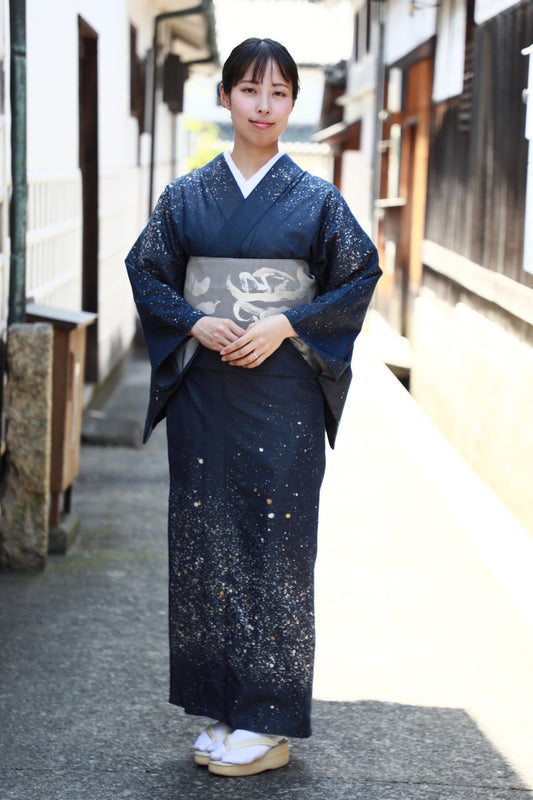
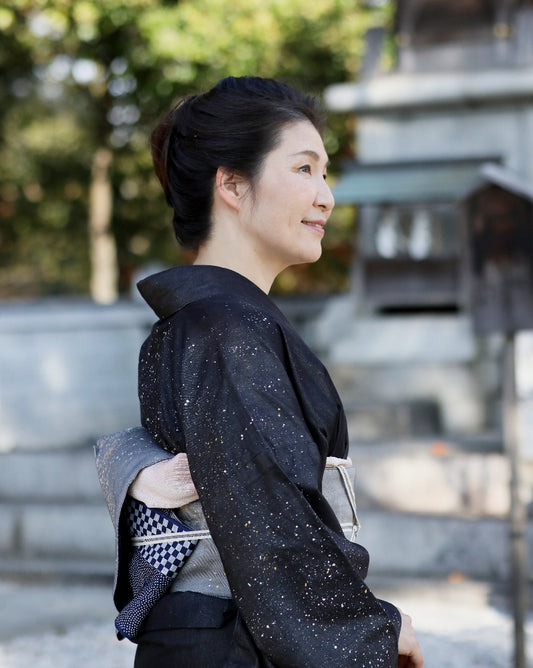
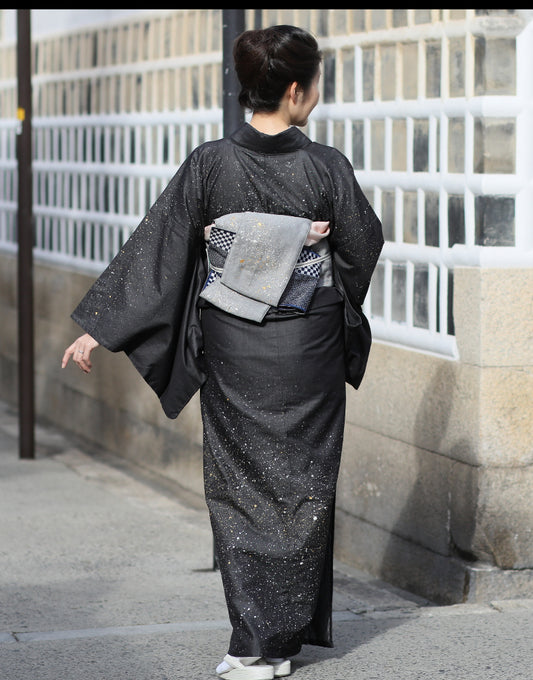
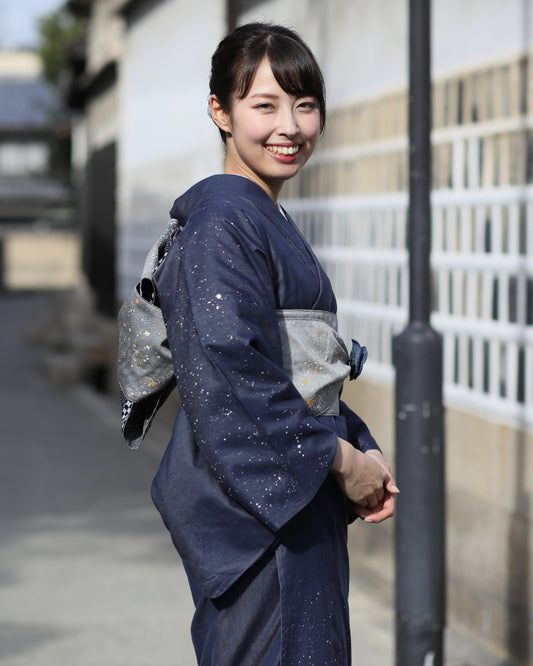
Tatamiberi has found new life as a material for everyday items like bags and accessories, and in fashion — most notably in kimono obi — reimagined in a modern sensibility as a new kind of material.
A growing range of colors, patterns, and materials has emerged for tatamiberi, meeting an increasingly diverse range of needs.

The Future of Tatamiberi
Tatamiberi has grown far beyond its original role as decoration for a Japanese-style room, becoming a material that plays an active part in fashion and interior design today.
Obi, bags, and other items made with tatamiberi stand out not only for their distinctive design and the appeal of the material itself, but also for their durability.

The techniques behind making tatamiberi are being carried forward by skilled artisans, and its beauty and practicality will likely continue to win people over for years to come.
We remain committed to offering new value that blends good tradition with genuine innovation.

There's an upcoming event where you can experience items made with tatamiberi firsthand. We'd love to invite you.
Date: Wednesday, July 17, 2024 - Tuesday, July 23, 2024
10:00 AM - 7:30 PM
Location: Tenmaya Okayama Store, 5th floor
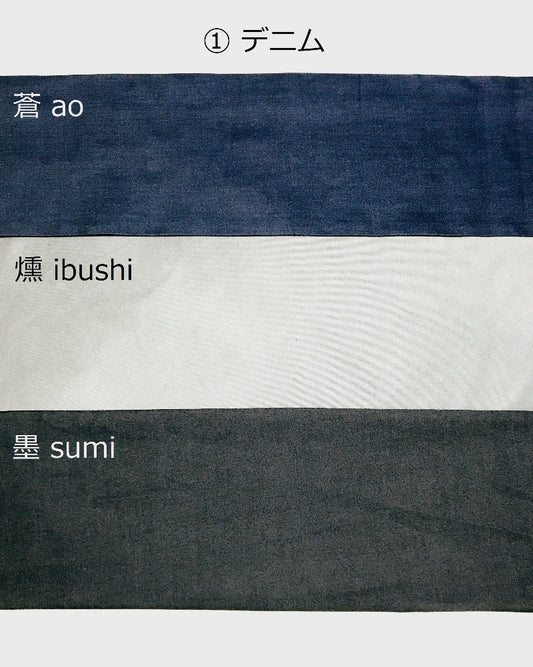
Come see a range of "Okayama style" fashion items made from materials unique to this region — tatamiberi, along with sanada-himo (a flat, woven cord traditionally used to bind sword scabbards and storage boxes) and denim.
We hope you'll stop by and take a look.